
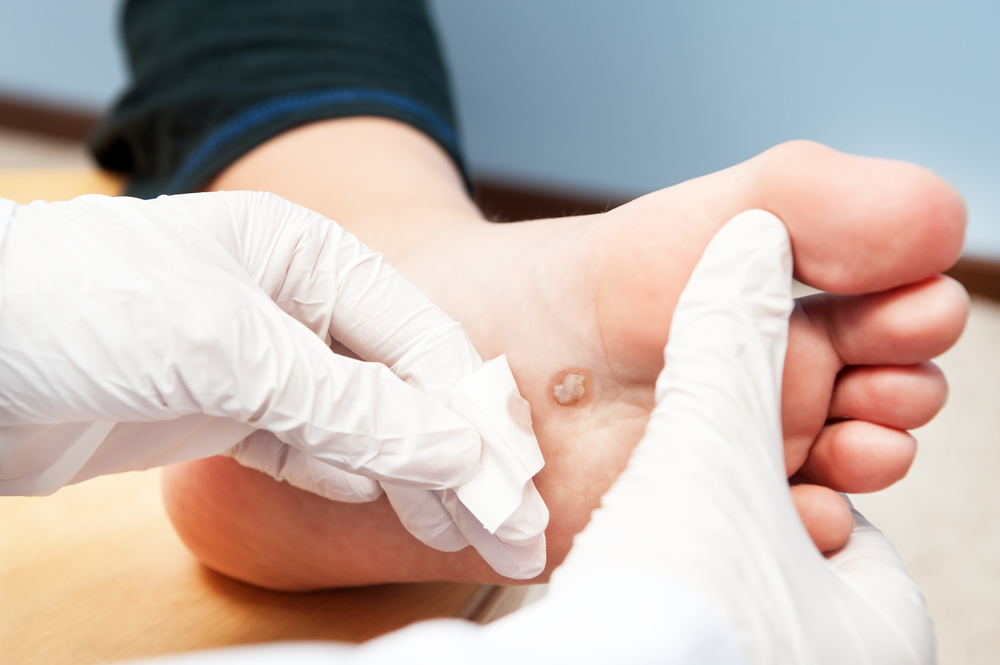
Plantar Wart Treatment in Thousand Oaks
A plantar wart is a small, rough growth on the bottom of the foot caused by a strain of the human papillomavirus (HPV), which enters the body through tiny cuts or breaks in the skin. While plantar warts are usually harmless, they can be painful when walking, may take months or years to go away on their own, and often spread. At Performance Foot & Ankle, our podiatrists in Thousand Oaks, CA offer safe, effective wart removal, including advanced noninvasive treatment options.
Request an AppointmentWhat Does a Plantar Wart Look Like?
A plantar wart typically appears as a small, grainy, discolored bump on the sole or toes. You may see tiny black dots on the surface, which are small blood vessels that have grown into the wart. Because warts on the bottom of the foot are pressed inward by body weight, they often grow beneath a layer of thick skin and can feel like a pebble in your shoe. Plantar warts are frequently confused with corns and calluses, so a professional diagnosis is important.
When Is a Wart a Cause for Concern?
A wart is simply an overgrowth of skin cells, but you should have a growth examined if it:
- Bleeds or changes color
- Causes significant pain when touched or walked on
- Resists over-the-counter treatments
- Spreads or multiplies
- Develops in someone with diabetes or neuropathy
Patients with diabetes or neuropathy should never self-treat warts, because they are more susceptible to wounds and serious infections.
Things to Remember About Warts
Never attempt to cut a wart out of your skin. Reaching the root of a wart requires cutting deep into the skin, which should only be performed by a trained medical professional. Even after a wart is removed, the virus can remain in your system, so new warts may develop in the future. Your podiatrist can share tips to reduce your risk and help warts resolve faster when they appear.
Wart Removal and Treatment Options
Our podiatrists use a variety of proven methods to remove plantar warts, including:
- Swift microwave therapy – An advanced treatment that delivers microwave energy to the wart tissue and activates the immune response
- Topical medications – Prescription-strength salicylic acid to gradually break down wart tissue
- Cryotherapy – Freezing the wart with liquid nitrogen
- Cantharidin – A blistering agent that lifts the wart from the skin
- Laser treatment – Laser energy to break down the wart tissue
- Electrosurgery – High-frequency electrical current to remove the wart
- Intralesional immunotherapy – Injections that trigger the immune system to fight the wart
- Minor surgery – Excision under local anesthesia for stubborn or deep warts
- Combination therapies – Multiple treatments for recurrent cases
After treatment, we provide wound care instructions and preventive guidance to reduce the chance of recurrence. Your podiatrist will recommend the most appropriate treatment based on the size, type, and location of your wart.
Call (805) 273-1415 to schedule wart removal with Performance Foot & Ankle.
Frequently Asked Questions About Plantar Warts
Are plantar warts contagious?
Yes. Plantar warts are caused by HPV and can spread through direct contact with a wart or with contaminated surfaces such as pool decks, locker rooms, and shared showers.
Can warts spread to other parts of the body?
Yes. Warts can spread to other areas through direct contact or by touching contaminated surfaces, which is why prompt treatment is recommended.
How long does it take for warts to go away after treatment?
Healing time varies by treatment method and individual response. Some warts resolve within a few weeks, while stubborn warts may require several treatment sessions.
Is it possible to prevent plantar warts?
Wearing sandals in public showers and pool areas, keeping your feet clean and dry, avoiding sharing towels and footwear, and not picking at warts can help reduce your risk.
When should I see a podiatrist for wart removal?
See a podiatrist if your wart is painful, spreading, bleeding, changing in appearance, not responding to home treatment, or if you have diabetes or neuropathy.
What is the difference between a wart and a callus?
Warts often have tiny black dots and interrupt the normal skin lines of the foot, while calluses have visible skin lines running through them. A podiatrist can confirm the diagnosis.
Can plantar warts come back after removal?
Yes. Because the virus can remain in the body, warts may return. Treatments that stimulate the immune system, such as Swift microwave therapy, may help reduce recurrence.