
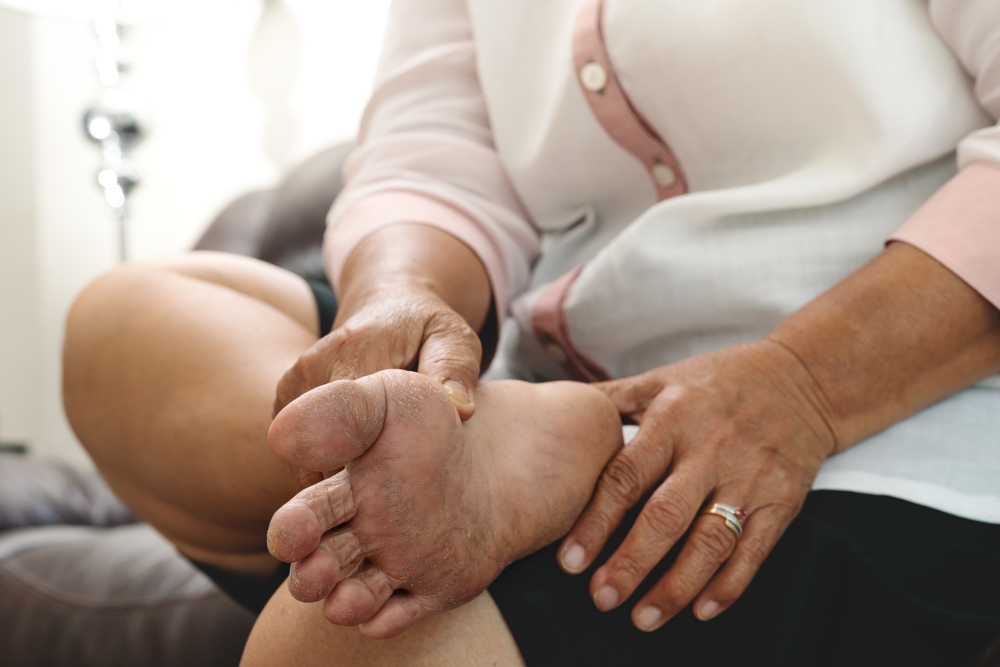
Diabetic Foot Care in Thousand Oaks
People with diabetes are at higher risk for serious foot problems, including ulcers and infections that can spread to the bone if not treated. Diabetes can reduce blood flow to the legs and damage nerves, causing a loss of feeling in the feet, so a small callus or blister can develop into an ulcer without being noticed. At Performance Foot & Ankle, our podiatrists in Thousand Oaks, CA provide preventive exams, wound care, and therapeutic footwear to protect your feet and your long-term health.
Request an AppointmentWhy Diabetic Foot Care Is So Important
Diabetes affects the feet in two major ways. First, reduced circulation slows healing and makes it harder for the body to fight infection. Second, diabetic neuropathy can dull sensation, so injuries, blisters, and pressure sores may go unnoticed. Together, these changes make routine foot care and early treatment essential for preventing complications.
Our Diabetic Foot Care Services
- Comprehensive diabetic foot exams, including sensation and circulation checks
- Safe trimming of toenails and removal of corns and calluses
- Treatment of ingrown toenails and toenail fungus
- Diabetic ulcer and wound care, including debridement and offloading
- Management of burning foot pain and neuropathy symptoms
- Therapeutic shoes and custom orthotics
- Education on daily foot care and prevention
Recognizing the Signs of a Foot Ulcer
Most people know they have an ulcer because it is painful, but patients with diabetic neuropathy must check their feet regularly for warning signs. Foot ulcers look like red craters in the skin, usually on the bottoms or sides of the feet, and are often surrounded by thick or callused skin. Ulcers grow deeper over time, and the risk of infection increases as they do. Even if an ulcer develops, early treatment can stop it before infection spreads to the bone.
Diabetic Foot Wound Clinical Trial
We are currently enrolling patients in a diabetic foot wound clinical trial. If you have a nonhealing diabetic foot ulcer, visit our clinical trials page or speak with our doctor to see if you qualify.
The Medicare Therapeutic Shoe Program
We participate in the Medicare Therapeutic Shoe Program, which can cover a significant portion of the cost of therapeutic shoes and inserts designed to prevent foot ulcers. To qualify, you must have diabetes and at least one of the following:
- Peripheral neuropathy
- A previous foot ulcer
- Diagnosed poor circulation
- A foot deformity
- A previous amputation of the foot or part of the foot
- A history of calluses that could lead to ulcers
We provide customized therapeutic shoes for men and women that relieve pressure areas, cushion the feet, and make it harder for calluses to form.
Daily Foot Care Tips for People With Diabetes
- Inspect your feet every day for cuts, blisters, redness, or swelling
- Wash and dry your feet daily, especially between the toes
- Moisturize dry skin, but avoid lotion between the toes
- Never walk barefoot, even indoors
- Wear well-fitting shoes and seamless socks
- Keep your blood sugar within your target range
- Schedule regular podiatry exams
Call (805) 273-1415 to schedule a diabetic foot exam with Performance Foot & Ankle.
Frequently Asked Questions About Diabetic Foot Care
How often should someone with diabetes see a podiatrist?
Most people with diabetes should have a comprehensive foot exam at least once a year. Patients with neuropathy, poor circulation, or a history of ulcers may need visits every few months.
Why do people with diabetes get foot ulcers?
Diabetes can reduce circulation and cause nerve damage, so injuries and pressure points may not be felt and may heal slowly, allowing small sores to become ulcers.
Does Medicare cover diabetic shoes?
Yes. Qualifying Medicare patients with diabetes may receive coverage for therapeutic shoes and inserts through the Medicare Therapeutic Shoe Program, which our office participates in.
What are the warning signs of a diabetic foot problem?
Warning signs include cuts or sores that do not heal, redness, swelling, warmth, drainage, changes in skin color, numbness, tingling, and burning pain in the feet.
Can I trim my own toenails if I have diabetes?
Many people with diabetes can trim their nails carefully, but those with neuropathy, poor circulation, or thick nails should have their nails trimmed by a podiatrist to avoid injury.
What should I do if I find a sore on my foot?
Keep the area clean, avoid putting pressure on it, and contact your podiatrist promptly. Early treatment greatly reduces the risk of infection and complications.
Can diabetic foot ulcers be prevented?
Many diabetic foot ulcers can be prevented with daily foot inspections, proper footwear, good blood sugar control, and regular podiatry care.